Bedding Guide
Wool Toppers Explained: Loft, Temperature, and Everyday Care
A wool topper can soften a mattress, add a little cushioning, and help manage moisture at the sleep surface. But “wool” is not a complete specification. Thickness, fill, stitching, fit, and care instructions all shape how a topper feels—and how well it suits your bed.
Published November 14, 2026
Bedding works in layers. The mattress supplies the underlying support; sheets and blankets sit closest to the sleeper; and a topper can alter the feel of the surface between them. Wool occupies a distinctive place in that arrangement. Its fibers can absorb moisture vapor and release it into the surrounding air, while a layer of wool fill adds cushioning without necessarily creating the enveloping sensation associated with some foams.
That does not make every wool topper cool, plush, durable, or easy to care for. Results depend on the topper’s construction, the mattress beneath it, the room’s humidity and temperature, and the sleeper’s own preferences. The useful question is not whether wool is universally better. It is whether a particular wool layer suits the job you want it to do.
What a wool topper does—and what it does not
A topper is a separate layer placed over a mattress to adjust its surface feel. It may add cushioning, create a more forgiving contact point at the shoulders or hips, or provide a buffer between the sleeper and the mattress cover. A wool topper can do some of these things, depending on its loft and density, but it is not a substitute for a mattress that no longer provides adequate support.
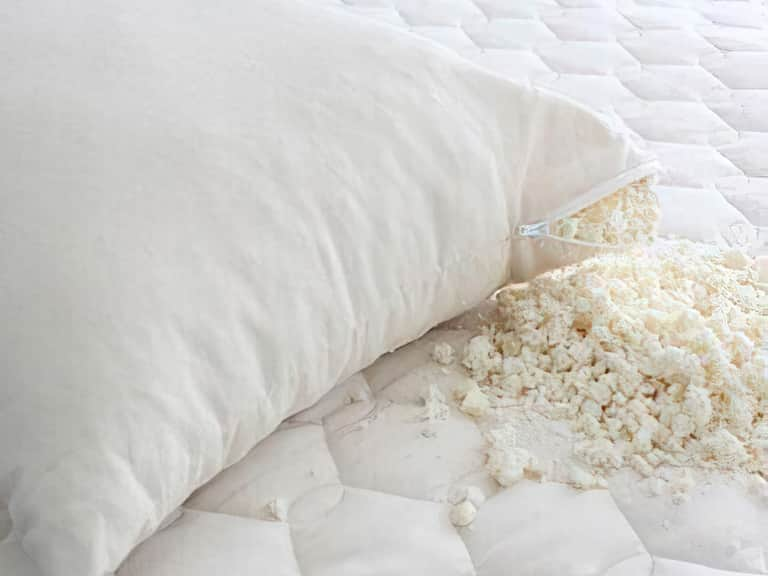
Wool is a natural fiber with a crimped structure. In a filled bedding layer, that structure can help create loft and a springy, gently cushioned feel. Wool is also hygroscopic: it can take up water vapor from the surrounding environment and later release it. This moisture management may contribute to a less clammy surface for some sleepers, although it cannot control room humidity or guarantee a particular temperature.
The distinction matters. A topper may make a firm mattress feel less austere, but it cannot correct a sagging foundation or reliably change the mattress’s deeper support profile. Nor does a natural fiber automatically make a product suitable for every person with sensitivities. Fiber sourcing, processing, fabric, and individual response vary. Check the product’s materials and care label, and consider personal sensitivities before buying.
Loft: the height you feel
Loft describes the thickness or height of a bedding layer. In a wool topper, it is a useful starting point, but not a complete measure of cushioning. Two toppers with the same stated thickness may feel different because their fill weight, quilting pattern, fiber distribution, and cover fabric differ.
A low-loft topper generally makes a subtler change to the bed. It can add a light cushion while allowing more of the mattress’s original feel to come through. A higher-loft option may feel plusher at first contact, but the sensation depends on how much fill is inside and how readily it compresses under the body. Thickness measured while the topper is uncompressed does not tell the whole story of how it performs overnight.
Think about your goal before comparing numbers. If the mattress feels slightly too firm at the surface, a modest layer may be enough. If you want a more noticeable cushion, examine both the stated loft and construction details. Look for information about fill material, fill weight where provided, quilting, and whether the design uses separate chambers or stitched-through sections to hold the wool in place.
- For a small surface adjustment: consider a thinner, lighter layer that does not obscure the mattress feel you already like.
- For more cushioning: compare the fill amount and construction, not thickness alone.
- For a changing mattress feel: assess whether the mattress itself is worn or unsupportive; a topper is not a repair.
- For shared beds: consider whether both sleepers want the same degree of surface softness and whether the topper can stay evenly positioned.
Body shape, weight, sleep position, and personal comfort all affect how much a topper compresses. A side sleeper may notice pressure at the shoulder or hip more readily than someone who sleeps on their back, but there is no universal loft setting for a position. A trial period, where available, can be more informative than a specification sheet; read its terms carefully.
Temperature and moisture: a more nuanced promise
Temperature comfort is often described too simply. A material is said to “sleep cool” or “sleep warm” as if the bed were a thermostat. In practice, warmth depends on several interacting factors: room temperature, airflow, bedding layers, mattress construction, clothing, humidity, and the sleeper’s own physiology. Wool may help manage moisture near the body, but it does not actively refrigerate a bed.
The structure of wool fibers allows them to interact with moisture vapor. That can help moderate the damp feeling some people experience when heat and perspiration collect beneath bedding. At the same time, wool is used in warm bedding because it can retain insulating air. The same general material can therefore feel comfortable in different seasons, but performance depends on the amount of fill, the topper’s cover and quilting, and the rest of the bed.
A breathable cover and a mattress that allows air movement may contribute to a more balanced sleep surface. A dense protector, tightly woven sheets, or several heavy blankets can change the result. If you tend to overheat, evaluate the complete bedding setup rather than expecting one layer to solve the problem. Try changing one component at a time so you can identify what makes a difference.
Moisture handling should not be confused with waterproofing. A wool topper is not necessarily a barrier against spills, perspiration, or accidents. If protection is important, look for a separate mattress protector and confirm that it is compatible with the topper’s fit and care needs. Layers should lie smoothly without pulling at the corners or bunching beneath the fitted sheet.
Construction details worth checking
A product description that says “wool-filled” is a beginning, not an answer. Before comparing options, read the specifications for the fill, cover, fastening method, and cleaning requirements. Each detail affects practical use.
- Fill composition: Check whether the fill is wool alone or a blend, and note any stated sourcing or processing information. “Natural” is broad language; specific material details are more useful.
- Cover fabric: Cotton is common in bedding covers, but weave and construction influence feel and airflow. Check whether the cover is removable or fixed.
- Quilting and fill control: Stitching or quilting can help keep fill distributed. Consider whether the pattern creates defined sections and how that may affect the surface.
- Attachment and fit: Corner straps, elastic bands, or a fitted skirt help keep a topper in place. Confirm the dimensions and maximum mattress depth, including any pillow-top or existing pad.
- Care label: Verify whether the item can be machine washed, requires professional cleaning, or should only be spot cleaned and aired. Do not assume that wool products share the same care method.
Fit is easy to overlook. A topper that is too small can leave an exposed strip of mattress; one that is too large may wrinkle or move. Measure the mattress width and length, and account for its depth. If you use a mattress protector, check that the sheet can still fit securely over the full stack. A poorly fitted layer can interrupt comfort even when its materials are appealing.
Everyday care: protect the fill by following the label
Wool care instructions are not interchangeable. Some products may call for dry cleaning, while others may allow a particular wash method. Water temperature, agitation, detergent, and drying approach can affect wool fibers and the topper’s shape. The care label and manufacturer’s instructions take precedence over general advice.
For routine maintenance, keep the topper dry and allow the bed to air when practical. Removing covers or bedding for a short period can help moisture dissipate. If the product is designed to be turned or rotated, follow its instructions; not every topper is reversible. Avoid vigorous beating or twisting, which can distort the fill or stress the stitching.
If a spill occurs, respond promptly but gently. Blot excess liquid with a clean cloth rather than rubbing it into the fibers. Then follow the product’s stated spot-cleaning directions. A saturated wool layer may be difficult to dry thoroughly at home, and improper drying can affect its condition. Do not apply bleach, fabric softener, or a strong cleaning product unless the care instructions specifically permit it.
A washable cover, if the topper has one, can simplify upkeep—but only if it is genuinely removable and its care instructions allow laundering. Many toppers have a fixed cover or require specialized care. A protective layer placed over the topper may reduce routine contact with oils and perspiration, but choose one that does not make the bed uncomfortably warm or interfere with the fit of the sheet.
A practical care checklist
- Read the care label before the first use and keep the instructions accessible.
- Air the bed when convenient, especially after a warm or humid night.
- Use a compatible protector if spill or stain protection is needed.
- Blot spills; avoid soaking, scrubbing, or improvising with harsh cleaners.
- Follow the stated cleaning and drying method exactly.
- Check periodically for shifting fill, loose stitching, or changes in fit.
How a wool topper compares with other layers
The best comparison is functional. A wool topper adds a filled, textile layer. Latex toppers are typically more resilient and buoyant, while foam options may contour more closely, depending on their formulation. A mattress pad may be thinner and intended primarily to add a modest surface layer or protect the mattress, though products vary. These categories overlap, so check actual construction rather than relying on the product name.
Wool can appeal to sleepers who want cushioning with a textile feel and who value the fiber’s moisture-managing properties. It may be less suitable for someone who wants a pronounced memory-foam hug, a highly adjustable layer, or a simple machine-washable surface—unless a particular product meets those needs. The right choice is not a contest between materials. It is a match between the sleeper’s priorities and the product’s documented construction.
A wool-filled mattress pad offers a related example of how wool can be used in bedding without being a conventional thick topper. The Downtown Company Wool-Filled Mattress Pad is described as using Merino wool fill in a quilted cotton jersey cover, with elastic corner bands and dry-clean-only care. That example illustrates why construction and maintenance details matter: a wool layer’s purpose, fit, and cleaning requirements should be evaluated together, rather than inferred from the fiber alone.
Questions to ask before choosing
A short checklist can make the decision clearer. Start with the current mattress: is it structurally sound, and do you like its support? Next, define the change you want. “A softer first impression” is more actionable than “better sleep,” which depends on many factors beyond bedding.
- How much surface cushioning do I want, and how will I judge whether the loft is enough?
- Does the product disclose its fill, cover, dimensions, and attachment method?
- Will the topper fit my mattress, including its depth and any existing layers?
- Do its temperature and moisture characteristics fit my room and bedding habits?
- Can I manage the required care, especially if it cannot be machine washed?
- Are there sensitivities or material preferences I need to account for?
- What are the return or trial terms if the feel is not right?
If possible, assess the surface with the bedding you ordinarily use. A topper can feel different under a taut fitted sheet than it does when pressed by hand in a store. Give the layer enough time to settle according to the manufacturer’s guidance, and distinguish normal adjustment from persistent bunching, discomfort, or a fit problem.
The bottom line
Wool toppers combine cushioning with a fiber that can absorb and release moisture vapor. That combination may make them appealing to people seeking a softer, more balanced-feeling sleep surface. Yet loft is only one part of the decision, and wool is not a guarantee of cooler sleep, longer mattress life, or a particular level of support.
Compare the fill and quilting, check dimensions and fastening, and treat the care label as a central specification rather than fine print. Choose a topper to address a clear surface-level preference, not to compensate for a mattress that has lost its support. With realistic expectations and care suited to the individual product, a wool layer can be a thoughtful part of a comfortable bedding system.